


Josh Brown
CEO & Founder, Josh Brown Consulting
Local SEO tracking tools are critical for law firms to monitor keyword performance, Google Map Pack rankings, and geo-specific visibility across locations. SEMrush, Ahrefs, Google Search Console, and BrightLocal provide insights into local SERPs, competitor positioning, and keyword shifts, making them essential for firms targeting multiple markets.
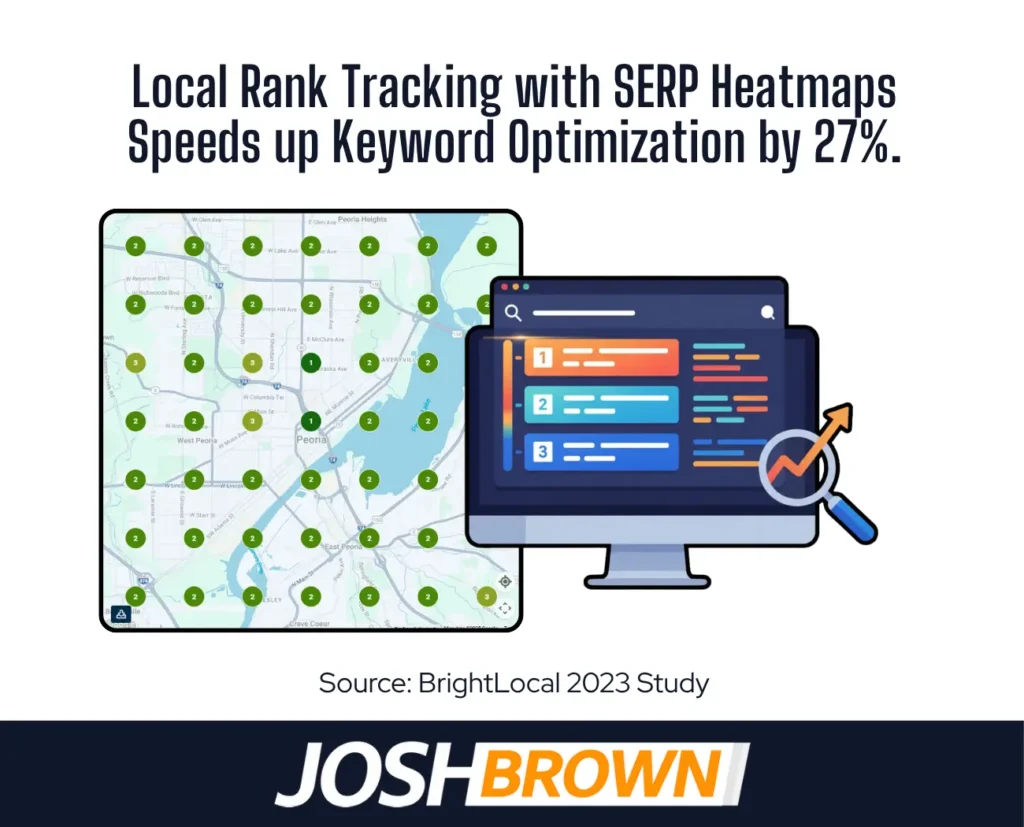
BrightLocal excels at local SEO with tools like Local Rank Tracker and Local Search Grid that visualize map-based performance across ZIP codes or custom radii. Platforms like Pro Rank Tracker and Local Falcon complement BrightLocal with granular geo-grid rank tracking. It also integrates with Google Business Profile, tracks citations, and supports competitor rank comparisons, ideal for multi-location legal teams. A BrightLocal study in 2023 found that Local rank tracking with SERP heatmaps accelerates keyword optimization cycles by about 27%, resulting in more top‑3 local rankings.
Search Console helps track organic impressions and clicks for branded and service keywords, but lacks map-based visual tools. Screaming Frog supports technical SEO audits to ensure local pages load fast, have proper metadata, and crawl correctly.
NAP consistency matters: firms using citation tools like Yext or Whitespark that maintain accurate directory listings see better local visibility. Legal directories such as Avvo, Justia, and FindLaw strengthen link profiles and geographic relevance when monitored via Ahrefs or SEMrush.
Agencies managing multiple offices benefit from platforms offering local rank dashboards, scheduled reporting, and competitor benchmarking. Tools like BrightLocal, SEMrush Listing Management, and Whitespark Local Rank Tracker offer scalable performance monitoring with keyword filtering and map-based insights.
Listed below are the 14 local SEO tracking tools.
1. Use SEMrush
2. Use Ahrefs
3. Use Google Search Console
4. employ Screaming Frog
5. Deploy Pro Rank Tracker
6. Manage Google Business Profile
7. Leverage Legal Directories
8. Track Local Citations
9. Monitor Online Reviews
10. optimize NAP consistency
11. perform Local Keyword Research
12. Build Local Backlinks
13. Analyze Maps Pack Ranking
14. Audit Technical SEO

1. Use SEMrush
Using SEMrush helps law firms monitor local SEO rankings, visibility, and competition across cities or ZIP codes. It offers keyword position tracking, competitive benchmarking, and local listing audits, making it ideal for geographic targeting.
SEMrush’s “Position Tracking” tool enables daily updates for location-specific keywords like “personal injury lawyer Miami,” while its Listing Management helps correct NAP inconsistencies. To optimize SEMrush use, law firms must set localized campaigns, connect to Google Business Profile, and track the Local Pack visibility over time.
2. Use Ahrefs
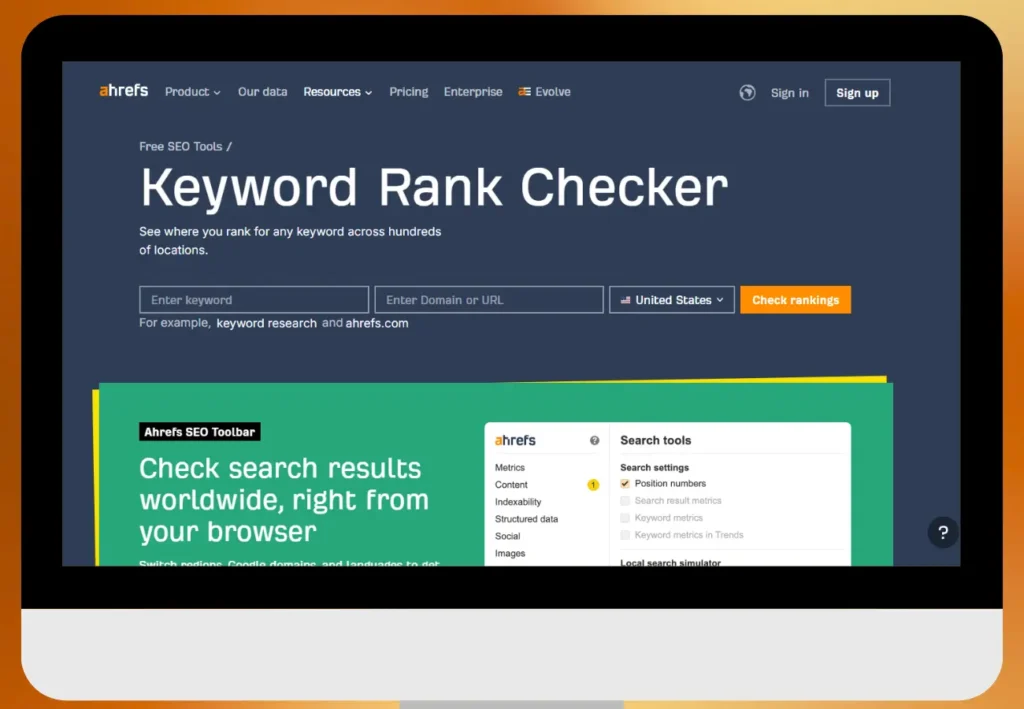
Using Ahrefs allows law firms to uncover local backlink opportunities and assess competitors’ link profiles for ranking power. Ahrefs is crucial in local SEO because backlinks remain a core ranking signal, especially in legal markets.
The “Competing Domains” and “Content Explorer” tools reveal where top firms earn links and how to replicate them with higher authority sources. Best practices include filtering backlinks by local domains, identifying legal directories, and using link gap analysis to build authority in targeted cities.
3. Use Google Search Console
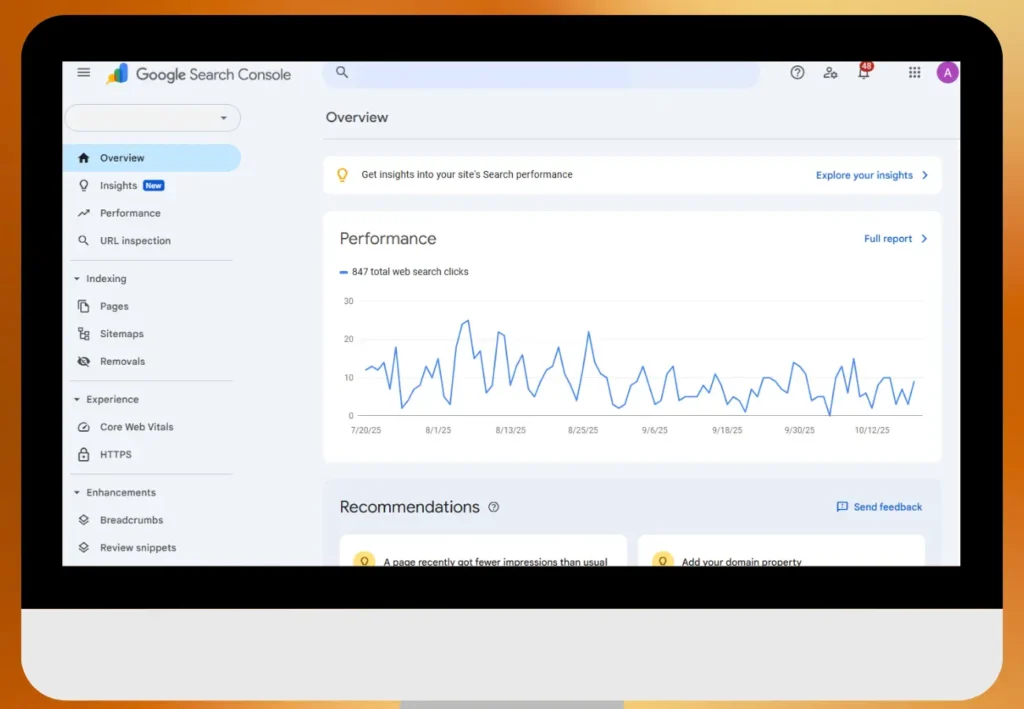
Google Search Console provides data on how law firm websites perform in local organic searches, including impressions and clicks. It’s essential for tracking legal keyword visibility (e.g., “child custody lawyer”), mobile usability, and crawl errors that affect local rankings.
While it lacks map-pack visuals, it’s unmatched for monitoring branded terms and high-intent legal queries. Best practices include setting up URL inspection, reviewing geo-based impressions in the Performance tab, and submitting location-specific pages for indexing.
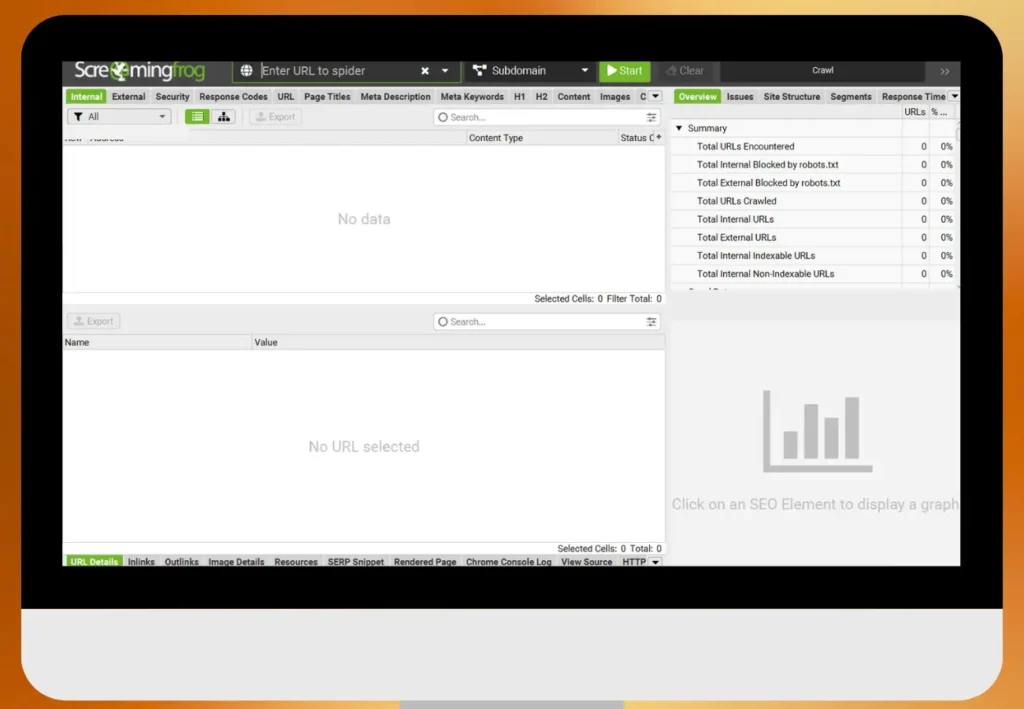
4. Employ Screaming Frog
Screaming Frog audits technical SEO elements that affect local visibility, such as crawlability, title tags, and mobile performance. It scans site structure to ensure law firm pages, especially local service areas, are indexed and optimized for city-specific relevance. By revealing duplicate metadata, 404 errors, and slow-loading pages, it helps improve on-page experience, which Google factors into local rankings. Firms must schedule monthly crawls, prioritize location pages, and fix mobile/desktop parity issues.
5. Deploy Pro Rank Tracker
Pro Rank Tracker helps visualize law firm keyword positions on a granular level using geo-grid ranking maps. This tool is critical for spotting ZIP code-specific performance, as it shows how listings vary block-by-block.
It tracks Google Map Pack and local SERPs for high-value legal keywords, enabling law firms to adjust content, citations, or reviews by geography. Use daily tracking with radius overlays for city centers, and export reports to monitor performance over time.
6. Manage Google Business Profile
Managing your Google Business Profile (GBP) is vital for law firm visibility in the Local 3-Pack and map results. A fully optimized GBP includes accurate NAP, legal services listed, and consistent posting to engage local clients.
GBP influences click-through rates, phone calls, and client directions, making it a trust and ranking factor. Best practices include updating categories (e.g., “Family Law Attorney”), adding Q&A, uploading recent photos, and soliciting client reviews.
7. Leverage Legal Directories
Legal directories like Avvo, Justia, and FindLaw offer authoritative backlinks and local relevance that enhance SEO rankings. These platforms rank well on their own and serve as trusted referral sources for users searching by city or state. Including law firm listings on these sites improves brand exposure, domain authority, and lead generation. Ensure full profiles, use consistent NAP data, and link back to core service pages for SEO benefit.
8. Track Local Citations
Tracking local citations helps law firms monitor their mentions across business directories and correct inconsistencies in NAP data. Citations affect local search credibility and influence Map Pack rankings.
Tools like Whitespark or Yext help law firms manage listings on hundreds of platforms, from Yelp to niche legal boards. Best practices include auditing citations quarterly, correcting mismatches, and eliminating duplicates.
9. Monitor Online Reviews
Online reviews signal trustworthiness and impact a law firm’s local pack visibility and click-through rate. Google weighs both the quantity and quality of reviews when ranking businesses. Law firms must actively request reviews on Google, Avvo, or Yelp, responding professionally to build credibility. Monitoring tools like GatherUp or BirdEye centralize feedback, highlight sentiment trends, and automate review requests post-consultation.
10. Optimize NAP Consistency
Optimizing NAP (Name, Address, Phone number) consistency ensures that law firm information matches across the web, supporting local SEO rankings. Google uses NAP data to confirm business legitimacy.
Discrepancies lower trust signals and reduce Local Pack appearances. Best practices include syncing data across GBP, legal directories, social media, and citation platforms, using a single master record as the source of truth.
11. Perform Local Keyword Research
Performing local keyword research identifies the exact phrases potential clients use to find legal services in specific regions. Tools like SEMrush or Google Keyword Planner reveal keyword variations tied to cities (“best DUI lawyer Atlanta”), allowing for precise optimization.
Focus on long-tail, intent-driven phrases and ensure service pages reflect local terminology. Group keywords by geography and legal category for better targeting.
12. Build Local Backlinks
Building local backlinks improves a law firm’s domain authority and local relevance, which boosts SEO rankings. These include links from community blogs, chambers of commerce, legal events, or sponsorships.
Local backlinks show Google that your firm is contextually trusted in a geographic niche. Outreach must prioritize high-authority local media, co-marketing with professionals, and sponsoring nonprofit legal workshops or neighborhood causes.
13. Analyze Maps Pack Ranking
Analyzing your Maps Pack ranking helps determine how often your firm appears in Google’s 3-Pack results for local queries. This is essential for mobile traffic and high-conversion keywords.
Tools like Local Falcon and BrightLocal track how rankings shift across radii, ZIP codes, and service categories. Improve positioning by enhancing GBP, reviews, and proximity to the searcher’s location.
14. Audit Technical SEO
Auditing technical SEO identifies backend issues that prevent law firm pages from ranking or displaying properly in local results. These audits detect crawl errors, slow load speeds, mobile indexing gaps, and missing schema.
Tools like Screaming Frog or Sitebulb help law firms ensure that local landing pages are clean, structured, and aligned with Google’s mobile-first expectations. Regular audits improve indexation and overall performance.
What Is the Best Local SEO Rank Tracking Software?
The best local SEO rank tracking software is BrightLocal, Local Falcon, GeoRanker, SEMrush Local Tracking, etc, due to their robust geo-tracking, Google Business Profile integration, and law firm-specific features.
Listed below are additional top tools that support geo-specific keyword tracking, Maps Pack visibility, and local search performance for lawyers.
- BrightLocal: Offers local SERP tracking, competitor benchmarking, and customizable dashboards for law firms across multiple locations.
- Local Falcon: Provides visual geo-grid rankings for keywords in Google Maps, allowing pinpoint accuracy by ZIP code or radius.
- GeoRanker: Tracks rankings across global/local SERPs with heatmap visualizations and location-based insights for SEO campaigns.
- SEMrush Local Tracking: Delivers keyword movement reports by city or ZIP, with Google Business Profile integration and competitor analysis.
- Whitespark Local Rank Tracker: Tracks keyword positions in both organic and local pack results, perfect for monitoring service area-specific visibility.
- Pro Rank Tracker: Supports GPS-based rank tracking and detailed mobile/local reporting with multi-location tracking for law firms.
These platforms, considered the best local SEO tools for law firms, support accurate NAP data, keyword tracking, and competitor comparisons across regions.
What Are Some Alternatives to Local Falcon?
The alternatives to Local Falcon are BrightLocal, GeoRanker, Places Scout, Pro Rank Tracker, and other local SEO tools that provide geo-grid tracking, local SERP insights, and location-based rank monitoring. These platforms offer similar map-based tracking features and competitive local visibility analysis for law firms and small businesses.
Listed below are the top alternatives to Local Falcon.
- BrightLocal: Offers geo-ranking, Google Business Profile integration, citation tracking, and local audit tools, ideal for multi-location legal practices.
- GeoRanker: Provides heatmap tracking, local search result snapshots, and keyword position monitoring across cities or ZIP codes.
- Places Scout: Known for detailed local pack analysis, heatmap rankings, and competitor benchmarking at the local level.
- Pro Rank Tracker: Delivers mobile and desktop rank tracking with customizable geo-targeting and SERP updates.
- Whitespark Local Rank Tracker: Tracks Google local results with city-specific breakdowns and visual keyword trend insights.
These alternatives to Local Falcon help improve law firm local SEO monitoring and are especially useful for tracking visibility across multiple practice areas or regions.
How Does BrightLocal Compare to Other Local Rank Trackers?
BrightLocal compares to other local rank trackers by offering accurate local SERP tracking, Google Business Profile integration, and affordable pricing. It provides clean dashboards, automated reports, and strong citation monitoring. Compared to Local Falcon or GeoRanker, BrightLocal has simpler visuals but better client-facing features. Its location-based data is reliable, and it supports multi-location tracking, making it efficient for law firms and agencies.
What Software Tracks Local Rankings Across Google Maps?
The software that tracks local rankings across Google Maps includes BrightLocal, Whitespark, Local Falcon, and GeoRanker. These platforms specialize in geo-specific rank tracking by ZIP code, GPS coordinate, or custom radius. They allow law firms to monitor keyword visibility in the local map pack and generate visual heatmaps that reflect real-world positioning.
BrightLocal and Whitespark are widely used for ongoing client reporting, while Local Falcon excels in visual map-based tracking grids. GeoRanker offers flexible geo-tracking across broader regions. Tools that track Google Maps rankings with legal-specific tools include integrations for managing multiple office locations, citation consistency, and Google Business Profile performance for accurate local SEO optimization.
How to Monitor Local Search Rankings
To monitor local search rankings, law firms should use geo-specific rank tracking tools to assess keyword visibility across cities, zip codes, or map pack placements. Tools like BrightLocal, Local Falcon, and SEMrush allow firms to set location grids and view ranking fluctuations in real-time.
These platforms generate heatmaps, keyword trend charts, and SERP snapshots, helping law firms monitor local search rankings effectively by pinpointing where their listings appear in Google Maps or local results. To improve accuracy, firms must track keywords by proximity to their office, competitor presence, and device type.
Which Tool Is Best for Local Rank Reporting Across Competitors?
Tools that are best for local ranking reporting across competitors are Places Scout, Local Falcon, and SEMrush Local SEO Toolkit. They offer geo-targeted insights, map overlays, and SERP comparisons to benchmark visibility.
Listed below are top-performing tools that help law firms and SEO professionals analyze competitive local SEO performance.
- Places Scout: Offers detailed competitor rank tracking across zip codes, heatmaps, and visibility scores with customizable grids for hyperlocal analysis.
- Local Falcon: Known for its grid-based visual ranking reports, it allows competitor overlays so users can directly compare how multiple businesses perform in Google Map Packs across a specific radius.
- SEMrush Local SEO Toolkit: Provides keyword tracking by location, competitor comparison charts, and branded vs. non-branded query breakdowns.
These tools help identify competitive gaps, measure local pack dominance, and inform strategic SEO moves for law firms aiming to outrank nearby firms.
What are the Most Reliable tools for Tracking Local Keyword Performance?
The most reliable tools for tracking local keyword performance is BrightLocal and Ahrefs due to their accuracy, customizable geo-grids, and integration with Google Business Profile. It allows law firms and local businesses to monitor keyword visibility across zip codes, track movement within the Local Pack, and benchmark against competitors.
Other accurate tools include SERPWatcher by Mangools, which offers daily keyword tracking with localized SERP previews, and Local Viking, known for automating keyword tracking linked directly to multiple Google Business Profile locations. These tools help businesses understand which keywords drive local visibility and how they fluctuate across areas.
Which Enterprise SEO Software Provides Daily Rank Tracking?
The enterprise SEO software that provides daily rank tracking includes platforms like Ahrefs, SEMrush, and AccuRanker, each offering scalable features for large-scale SEO campaigns.
Listed below are the top tools used by enterprises for reliable and frequent rank updates.
- Ahrefs: Offers daily keyword tracking across desktop and mobile with competitive comparison features, SERP snapshots, and location-specific tracking.
- SEMrush: Includes Position Tracking for daily updates on keyword rankings, visibility score, and competitor benchmarking across multiple projects and locations.
- AccuRanker: Specializes in daily and on-demand rank tracking with ultra-fast updates, enterprise-level data exports, and keyword segmentation by tag, location, or device.
- SEOmonitor: Provides daily rank tracking with search volume forecasting, cost-per-click integration, and customizable keyword grouping for agencies and in-house teams.
- Moz Pro: Offers daily tracking with alerts on rank fluctuations and integrates with on-page optimization and link tracking tools.
These platforms support high-volume keyword tracking, API access, white-label reporting, and integration with business intelligence dashboards, making them ideal for law firms, agencies, and multi-location enterprises.
What is the most accurate rank tracker for local Google search?
The most accurate rank tracker for local Google search is Local Falcon, known for its grid-based GPS tracking that shows precise ranking positions across mapped areas. Local Falcon visualizes SERP positions in a geo-grid format, allowing users to see how a keyword performs at street-level granularity.
Tools like BrightLocal also offer strong accuracy, especially with their Google Business Profile integration and scheduled reports. These platforms use real-time API pulls, location-specific emulators, and device-level queries to reflect actual searcher behavior. For law firms, such precision supports local pack optimization and neighborhood-specific SEO strategy.
How Does a Geo Rank Tracker Work?
Geo rank trackers work by running simulated searches from multiple geolocated points across a defined area and mapping each keyword’s ranking at those individual coordinates. Tools like Local Falcon and BrightLocal use this method to generate a visual map overlay, a heatmap, where each cell marks how well your business ranks locally at each GPS point. These platforms enable law firms to see exactly where they appear, or don’t appear, in Google’s Local Pack across neighborhoods or ZIP codes.
A large-scale industry study, analyzing over 1 million local pack ranking points across 10 industries and U.S. cities, confirmed that geo-grid tracking provides more accurate local visibility data than single-point checks. These insights reveal proximity-based ranking variation and help lawyers optimize local SEO performance by targeting areas with weak presence, guiding content, citation, and review strategies for higher conversion zones.
What is the best SEO software for local search monitoring?
The best SEO software for local search monitoring is BrightLocal, followed closely by GeoRanker, Whitespark, Local Falcon, and SEMrush’s Local SEO Toolkit, all known for precise local keyword tracking and Google Maps visibility insights. These platforms specialize in rank monitoring across ZIP codes, neighborhood grids, and regional packs, helping law firms and businesses optimize for hyperlocal search visibility.
Listed below are the 5 best SEO software programs for local search monitoring.
- BrightLocal: Integrates Google Business Profile, tracks local SERPs, and visualizes ranking changes via heatmaps.
- GeoRanker: Provides granular GPS-based keyword tracking across specific coordinates and cities.
- Whitespark: Offers citation audit and rank tracking features for localized SEO performance.
- Local Falcon: Visualizes where a business ranks on the map using pin-based geo-grid overlays for Maps Pack results.
- SEMrush (Local Toolkit): Delivers filtered rank reports, keyword changes by city, and competitor location-based performance.
These tools support SEO local monitoring by revealing local pack trends, keyword performance shifts, and citation health, crucial for maintaining visibility in competitive geographic markets.
Which tools offer rank tracking with SERP monitoring for local SEO?
Tools that offer rank tracking with SERP monitoring for local SEO include BrightLocal, Whitespark, SEMrush, and Local Falcon, each equipped with features like geo-grid overlays, map pack visibility metrics, and mobile vs. desktop rank comparisons. BrightLocal excels with scheduled local reporting, Google Business Profile syncing, and client dashboards. Whitespark offers citation tracking and localized rank tracking by keyword.
SEMrush includes a Local SEO Toolkit that monitors keyword shifts across cities and reveals map pack inclusion trends. Local Falcon specializes in visual geo-grid tracking, showing rank positions at each pin location for highly granular insights. These tools empower law firms and service businesses to refine their SEO strategy by analyzing SERP fluctuations, tracking competitor positioning, and optimizing for hyperlocal ranking zones.
How Can Agencies Track Rankings Across Many Client Locations?
You can get agencies to track rankings across many client locations by using tools like BrightLocal, Local Viking, or SEMrush that support multi-location dashboards and bulk keyword tracking. These platforms offer automated reports, map pack tracking, and client-by-client rank comparisons across ZIP codes or cities. BrightLocal, for example, cuts reporting time by up to 80% and allows tagging, scheduling, and benchmarking per location. Use geo-grid filters, location grouping, and SERP change alerts for scalable local SEO monitoring.